According to data from offshore operator reports submitted by 11:30 a.m. on September 25, evacuations have been completed on 17 production platforms, which accounts for 4.58% of the 371 manned platforms in the Gulf of Mexico.
Additionally, one non-dynamically positioned (DP) rig—20% of the five rigs of this type currently active in the Gulf—has been evacuated. These rigs encompass various offshore drilling facilities such as jack-up rigs, platform rigs, submersibles, and moored semisubmersibles, all of which are typically moored to the seafloor and more vulnerable to severe weather conditions.
In a proactive measure, three DP rigs have been relocated out of the storm’s projected path. This represents 14.3% of the 21 DP rigs operating in the Gulf. Unlike their non-DP counterparts, these rigs use advanced thrusters and propellers to maintain their position without being anchored to the seafloor, allowing them to quickly maneuver to safer waters when hurricanes approach. Personnel remain on board, ready to resume operations once the threat passes.
BSEE's estimates suggest that approximately 29.18% of the Gulf’s oil production and 16.85% of natural gas production have been preemptively shut down as part of standard safety protocols. During this process, offshore operators implement "shut-in" procedures, closing subsurface safety valves to prevent the release of oil or gas. These measures are not only vital for protecting personnel and equipment but also crucial for safeguarding marine and coastal ecosystems from potential environmental hazards.
Shutting down production during storms is a routine but essential procedure in the industry, minimizing the risks posed by extreme weather and ensuring a safe, controlled restart when conditions improve.
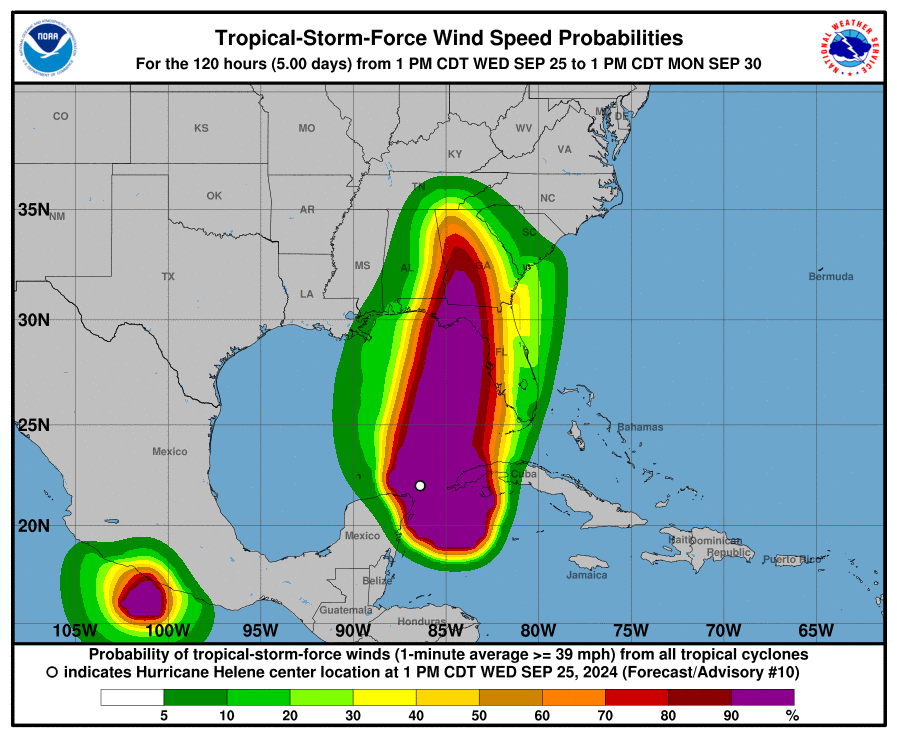
As Hurricane Helene advances, the BSEE continues to coordinate with offshore operators, ensuring that the Gulf’s oil and gas infrastructure remains secure while mitigating the potential impact on both the industry and the environment.